
Overview of the CJC Initiative
In 2020, the Government of Canada committed $28.6 million over five years to support CJC pilot projects in British Columbia, Manitoba, and Ontario and to support other provinces and territories in holding community engagement sessions to determine how the CJC concept could be implemented in their jurisdictions. The results of the pilot projects and engagement sessions are to inform the development of a framework for a potential national CJC program.
Overview of the CJC Initiative
What are CJCs
CJCs are part of the community justice movement that began in the 1990s in the United States as a response to the perceived inability of the traditional justice system to reduce crime and address the safety needs of the community. CJCs intend to bring together justice, health, and social services to facilitate a coordinated approach that more effectively addresses the root causes of crime, breaks the cycle of reoffending, and improves public safety and well-being.
CJCs take different forms, from a brick-and-mortar building in a community that co-locates justice, health, and social services, to a virtual linking of different service providers aligned with justice system processes. The design of each CJC is driven by individual communities, to enable them to address the unique and chronic justice system challenges they face.
Key activities funded by the Initiative
The CJC Initiative has provided funding to four organizations and governments to pilot CJCs:
- the British Columbia First Nations Justice Council (BCFNJC), which has 10 Indigenous Justice Centres (IJC) included in the evaluationFootnote 1
- the Ontario Ministry of the Attorney General (ON MAG), which has four CJCs in operation included in the evaluationFootnote 2
- the Manitoba Keewatinowi Okimakanak (MKO), which has one CJC (the Justice Navigation Hub)
- the Manitoba Métis Federation (MMF), which has the Red River Métis CJC
In addition, the CJC Initiative funded provincial and territorial community engagements in six jurisdictions (Prince Edward Island, Nova Scotia (NS), Québec, Alberta, Northwest Territories (NWT), and Yukon).
The CJC Initiative has an Ad Hoc Committee that includes all funding recipients and representatives of Justice Canada. The Ad Hoc Committee is a forum to share information and feedback on the development and implementation of CJC pilots and community engagement sessions as well as information on early outcomes.
The Ad Hoc Committee is using the learnings from the pilot CJCs and provincial and territorial community engagements to inform the development of a framework for a potential national CJC program.
The key activities are described in more detail in the following slides.
Figure 1: Overview of the CJC Initiative
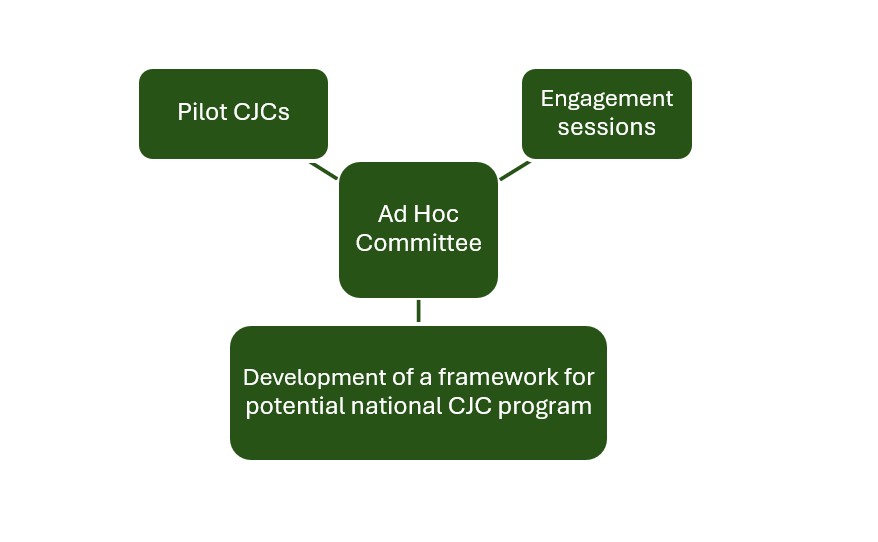
Figure 1: Overview of the CJC Initiative
The Ad Hoc Committee is informed by the input from pilot Community Justice Centres and from engagement sessions. The committee then uses the learnings from the pilots and community engagement to inform development of a framework for a potential national Community Justice Centre program.
CJC pilots
The CJCs funded by the Initiative were at various stages of development or implementation when federal funding was received. As shown in Figure 2, the consultations for the planning and design for all four Ontario (ON) CJCs and the four initial BC IJCs occurred before federal funding under the CJC Initiative began. All the ON CJCs and the British Columbia (BC) IJCs have now been operating between two and four FYs, while the two most recent CJCs (MKO Justice Navigation Hub and the Red River Métis CJC) have been operating for less than two FYs. As the timeline makes clear, all the CJCs/IJCs are in early stages of implementation.
While all pilot CJCs involve some degree of integration of justice, health, and social services and assist participants with wrap-around supports to address the root causes of crime, the nature and extent of the integration is different by CJC model. Some involve physical co-location and integration of services with formal partnership agreements and close collaborative relationships, while others serve more as a connector to outside services. The CJC pilots also have different primary target populations, but all serve groups that are overrepresented in the criminal justice system. As part of the design work done in consultation with their communities, the CJCs have their own delivery models that will be discussed in more detail in the “Design and Delivery” section of the report.
Appendix B provides an overview of main features of the CJCs
Figure 2: Timeline of CJC pilots
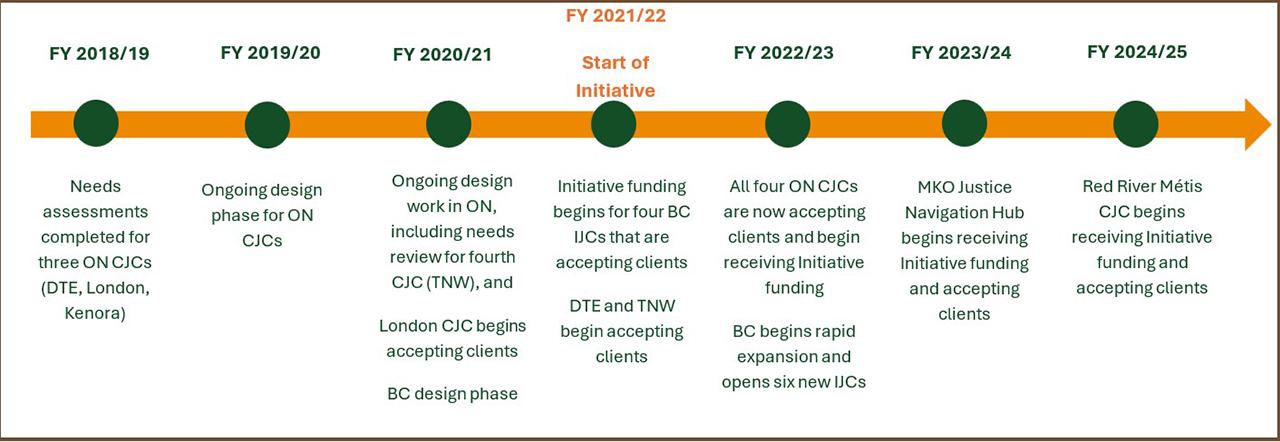
Figure 2: Timeline of CJC pilots
| Fiscal Year | Key Activity |
|---|---|
| 2018-19 | Needs assessments completed for three Ontario CJCs (Toronto, London, Kenora). |
| 2019-20 | Ongoing design phase for Ontario CJCs. |
| 2020-21 | Ongoing design work in Ontario, including needs review for four CJCs (Thunder Bay), and London CJC begins accepting clients. BC design phase. |
| 2021-22 | Start of the Initiative. Initiative funding begins for BC IJCs that are accepting clients. DTE and TNW begin accepting clients. |
| 2022-23 | All four Ontario CJCs are now accepting clients and begin receiving initiative funding. BC begins rapid expansion and opens six new IJCs. |
| 2023-24 | MKO Justice Navigation Hub begins receiving initiative funding and accepting clients. |
| 2024-25 | Red River Métis CJC begins receiving initiative funding and accepting clients. |
Provincial and territorial community engagement sessions
In addition to funding CJCs, the CJC Initiative offered funding to jurisdictions that were interested in exploring the CJC model. As noted earlier, six jurisdictions have undertaken engagement sessions. The engagement sessions were completed in FY 2022-23 for Alberta, NS, NWT, and Yukon, and in FY 2023-24 for Prince Edward Island and Québec.
Five jurisdictions are captured in Figure 3. Québec undertook a hybrid approach, where individuals (newcomers and justice professionals) could participate by responding to a questionnaire, by participating in an engagement session, or both. Given the approach, the Québec report does not provide the number of engagement sessions and is therefore not included in the figure below. Each jurisdiction determined the stakeholders to involve in their sessions, which generally included community members, service providers, and justice professionals.
Ad Hoc Committee
Under its terms of reference, the Ad Hoc Committee’s mandate is to:
- share information and feedback on implementation and ongoing CJC administration;
- share qualitative information on topics such as best practices and lessons learned, successes and challenges, and priorities identified by communities that CJCs should address; and
- provide networking opportunities for those involved in CJC projects.
Members primarily included representatives of the funding recipients for CJC pilots and provincial and territorial community engagement sessions, as well government representatives from provinces and territories that were not funding recipients. The Ad Hoc Committee met approximately quarterly.
Figure 3: Engagement sessions by jurisdiction
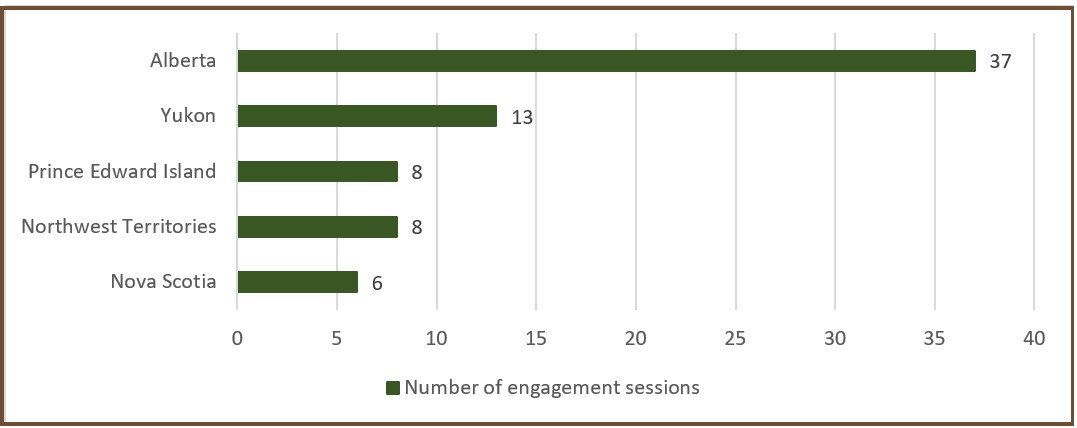
Figure 3: Engagement sessions by jurisdiction
| Jurisdiction | Number of engagement session |
|---|---|
| Alberta | 37 |
| Yukon | 13 |
| Prince Edward Island | 8 |
| Northwest Territories | 8 |
| Nova Scotia | 6 |
Funding
The CJC Initiative is a time-limited, five-year initiative delivered through the Justice Partnership and Innovation Program (JPIP), which funds projects to address emerging justice issues or gaps, to improve access to justice through innovations, and to encourage dialogue among justice stakeholders about justice issues.
Over the course of the five years, $28,585,020 was allocated for the CJC Initiative. The first FY involved funding for the initial BC IJCs, with the spending ramping up in subsequent FYs as more CJCs/IJCs began operations and provincial and territorial engagement sessions occurred (see Figure 4).
Figure 4: Financial resources allocated by FY
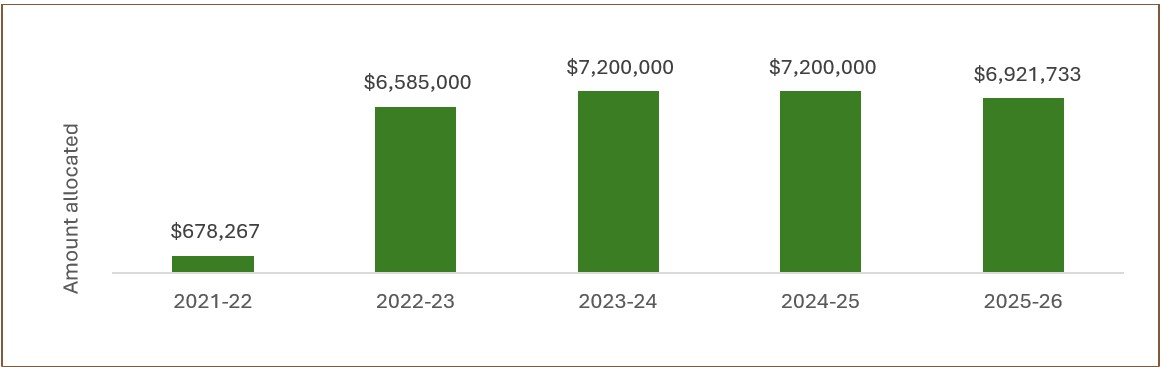
Figure 4: Financial resources allocated by FY
| Fiscal Year | Amount Allocated |
|---|---|
| 2021-22 | $678,267 |
| 2022-23 | $6,585,000 |
| 2023-24 | $7,200,000 |
| 2024-25 | $7,200,000 |
| 2025-26 | $6,921,733 |
The level of federal funding support varies by CJC Initiative project.
- The BC IJCs receive most of their funding from the BC Ministry of Attorney General (BC MAG). From the CJC Initiative, after the initial funding in FY 2021-22, the amount rose to $2.06 million per FY.
- The ON CJCs receive funding from multiple sources, including federal government organizations and the ON MAG. The CJC Initiative funding increased from $2.7 million in FY 2022-23 to approximately $3.4 million starting in FY 2023-24.
- The Manitoba (MB) CJCs are fully funded by the CJC Initiative. MKO received $500,000 per FY beginning in FY 2023-24, MMF received $375,000 in FY 2024-25, with an increase to approximately $500,000 in FY 2025-26.
- Funding agreements with provinces and territories for engagement sessions ranged in amounts from approximately $25,000 to $87,500.
- Date modified: